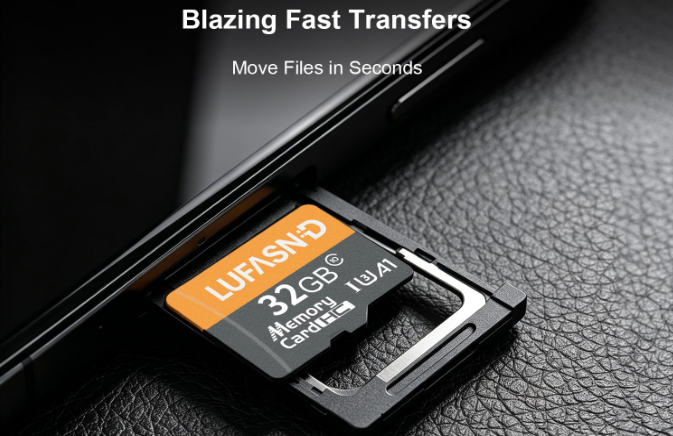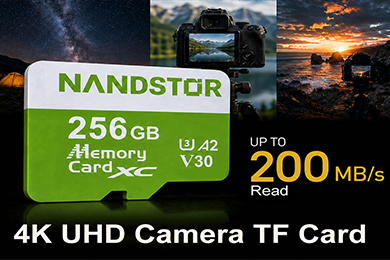
If you are searching for a reliable, high‑speed memory card for dash cams, surveillance cameras, Android smartphones, tablets and portable IoT devices, an A2 TF Card is one of the best‑in‑class storage solutions you can choose.
Unlike standard TF cards, A2‑rated micro SD cards meet strict Application Performance Class 2 specifications. They deliver faster random read and write speeds, greatly boosting the performance of apps run directly from the memory card. This means quicker app loading, smoother multitasking, fewer freezes and stable long‑time recording for continuous‑write devices.
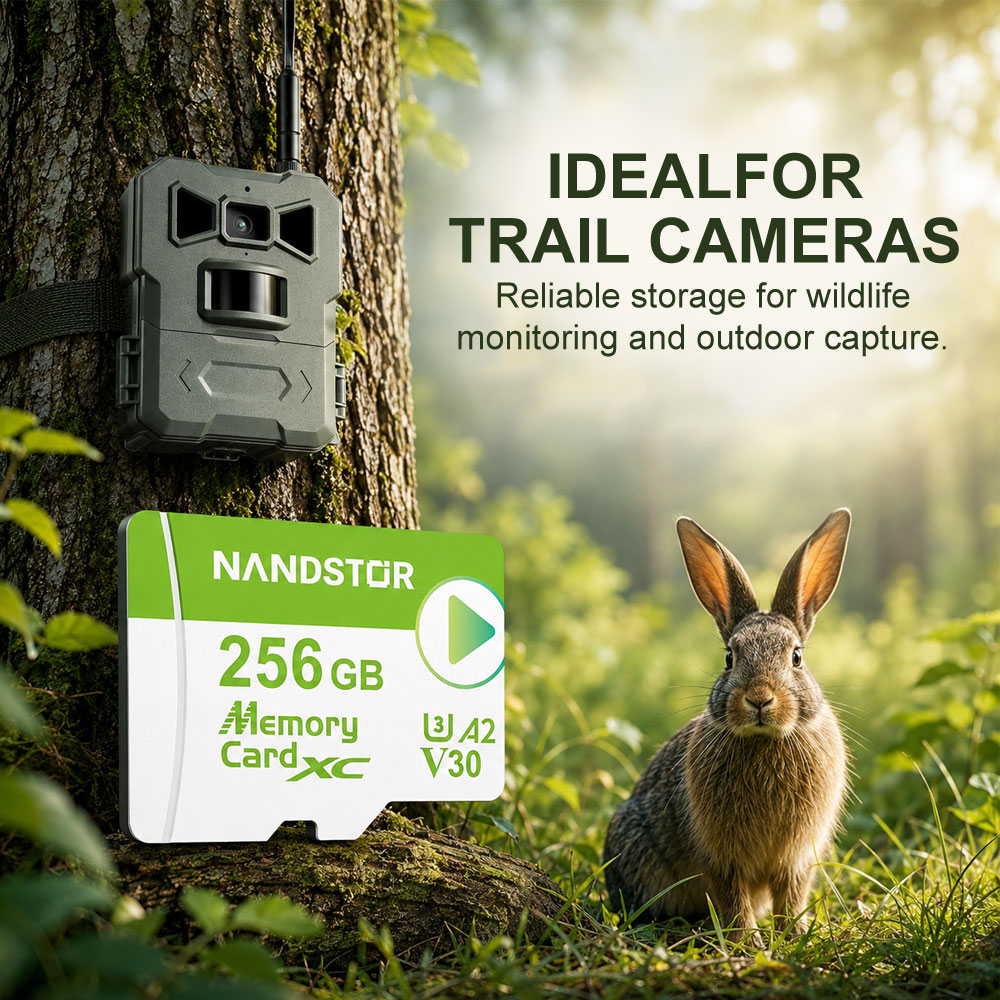
Key Benefits of A2 TF Card
- A2 Application Performance: Optimized for running mobile applications off the card, low‑latency operation.
- High‑Speed Continuous Recording: Ideal for 4K video recording, loop recording on dash cameras and security cameras.
- Wide Compatibility: Works with smartphones, action cameras, drones, surveillance systems, handheld game consoles and IoT hardware.
- Long‑Term Reliability: Built‑in wear‑leveling technology improves service life under heavy‑duty, 24/7 write cycles.
For industrial‑grade and commercial‑customized A2 TF memory cards, you can explore full specifications here: https://www.nandstor.com/product/a2tf/
Who Should Use an A2 TF Card
Standard U3 TF cards focus mainly on sequential speed, while A2 cards shine at random operations. It is highly recommended for users who:
- Install and run apps on external storage;
- Record long‑hour 4K/Full‑HD video without dropped frames;
- Deploy storage for industrial IoT, smart home and edge devices;
- Need stable, high‑endurance removable memory for commercial projects.
Final Thoughts
Whether you are a hardware developer, wholesaler, or end‑user looking for high‑performance expandable storage, the A2 TF Card offers an excellent balance of speed, stability and compatibility. When sourcing high‑quality A2 micro SD cards, select trusted manufacturers to avoid speed throttling and early‑life failures.